Washington Is 1 of Only 8 States Where Home Prices Fell — Here’s Where Portland…
The Portland-Hillsboro-Vancouver Housing Market Is Turning a Corner Going Into 2026
The Portland-Hillsboro-Vancouver Housing Market Is Turning a Corner Going Into 2026
After several years of high mortgage rates and hesitation from buyers, momentum is quietly building beneath the surface of the Portland-Hillsboro-Vancouver MSA. Sellers in places like Hillsboro, Beaverton, Vancouver, and Camas are re-entering the market. Buyers across Multnomah, Washington, and Clark County are beginning to re-engage. And for the first time in what feels like years, we’re seeing consistent movement again.
It’s not a surge — but it is a meaningful shift. One that could help set the stage for a stronger 2026 throughout the metro.
Below are the three major dynamics driving the comeback, along with localized neighborhood-level insights showing how these trends are playing out across the region.
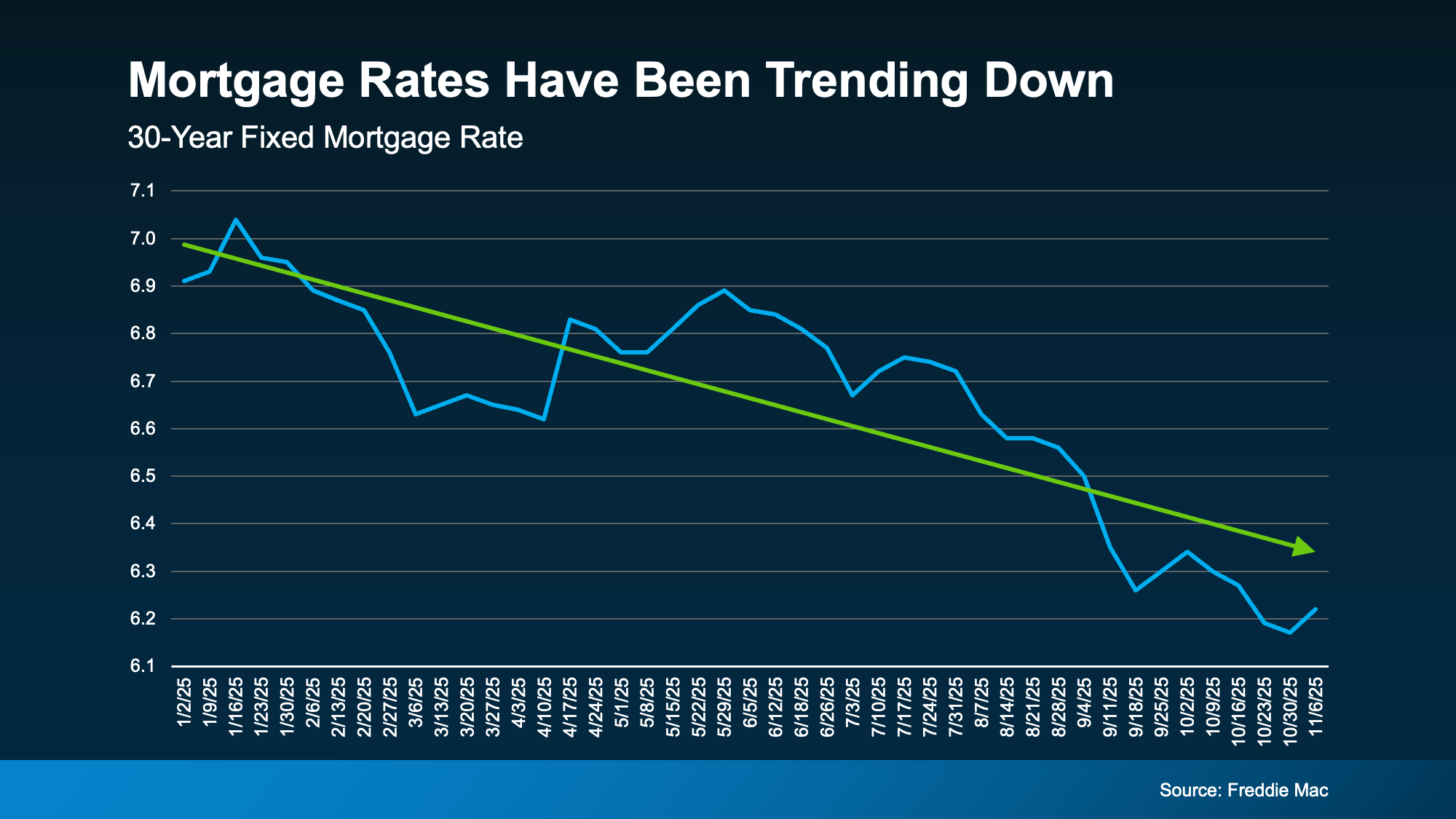
1. Mortgage Rates Have Been Coming Down — And It’s Shifting Buying Power Across the Metro
Rates remain volatile, but the larger trend matters more: they’ve been easing. Even a small dip has a big effect on affordability in our region, especially in areas where home prices run above the national average.
Where lower rates matter most locally:
-
Hillsboro & Beaverton: Buyers competing near tech corridors (Orenco Station, Five Oaks, Cedar Hills) are seeing noticeably stronger purchasing power. Pre-approvals stretch farther than they did last year.
-
Southwest Portland (Multnomah Village, Hillsdale): Lower rates help soften the jump into jumbo territory, which is common in larger Southwest homes.
-
Vancouver & East Vancouver: Many Oregon buyers moving north for property tax relief are finding their pre-approvals go further than expected when combined with slightly lower rates.
-
Gresham & Troutdale: Rate-sensitive first-time buyers are returning, especially those leveraging FHA or Oregon Bond-style loan products.
Overall, more buyers can afford to re-enter the market — and we’re seeing that shift show up in week-to-week showing activity around the metro.
2. More Homeowners Are Preparing to Sell — Unlocking Inventory Across the Region
The “rate-lock effect” hit Portland harder than many metros, especially in established neighborhoods with many long-time owners. But that’s easing.
Life changes — job relocations, upsizing, downsizing, and the need for more space — are beginning to outweigh the desire to hang onto ultra-low pandemic-era rates.
How this looks neighborhood by neighborhood:
-
Beaverton & Hillsboro: Move-up sellers are returning. Well-maintained homes near MAX lines or tech employers are hitting the market more consistently.
-
Northeast Portland (Alameda, Beaumont, Roseway): Classic Craftsman and mid-century homes are coming on the market again after years of scarcity.
-
Southeast Portland (Mt. Tabor, Sellwood, Woodstock): Inventory has ticked up, giving buyers choices they haven’t had since before 2020.
-
Vancouver, Camas & Washougal: Newer construction and desirable school districts are motivating sellers who were waiting for the right timing. Camas homes rarely linger if priced right.
-
Gresham & Troutdale: A meaningful increase in listings has opened the door for more budget-conscious buyers.
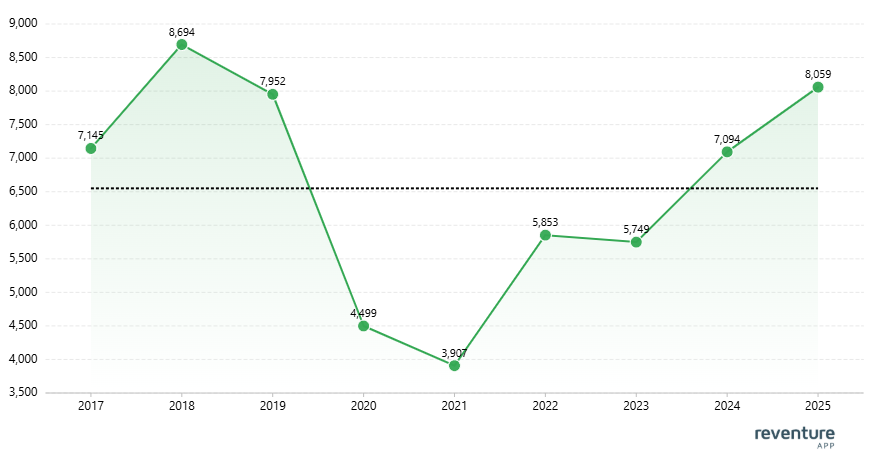
More inventory across these key neighborhoods means buyers have more options — and sellers can list without worrying that they won’t find their next home.
3. Buyers Are Re-Entering the Market — With Neighborhood Preferences Shifting
As affordability improves and inventory expands, demand in the Portland-Vancouver metro is returning — not explosively, but steadily.
Where we’re seeing the strongest return of buyers:
-
East Vancouver & Felida: These communities continue to attract both Washington and Oregon buyers looking for newer homes, more space, and tax advantages.
-
Camas: High-performing schools and modern subdivisions keep this one of the hottest pockets in the region.
-
Beaverton & Hillsboro: Tech aftershocks are still driving relocation demand, and buyers are again competing for well-located homes near major employers.
-
NE Portland (Concordia, Alameda, Alberta Arts): Strong demand is returning for walkable neighborhoods with character homes.
-
SE Portland (Sellwood, Moreland, Woodstock): Younger buyers are jumping back in as rates tick down, with many pairing conventional loans with renovation financing.
-
Gresham & Troutdale: Often the first places where rate-sensitive FHA and first-time buyers reappear — and that’s happening again.
Buyer activity isn’t uniform — but across the metro, interest is clearly picking up.
Bottom Line for Portland-Hillsboro-Vancouver
After several slower-than-normal years, the regional housing market is finally starting to turn a corner:
-
Mortgage rates are easing.
-
Inventory is improving across nearly every major neighborhood.
-
Buyers are coming back into the market — especially in the suburbs and Clark County.
If you live in — or are looking to move to — Beaverton, Hillsboro, Southwest Portland, Northeast Portland, Vancouver, Camas, Gresham or Troutdale, 2026 is shaping up to offer more opportunity than the past several years.

About the Author
Matt Jolivette
Mortgage Broker at Associated Mortgage Brokers · NMLS #90661
Matt Jolivette is one of two owners of Associated Mortgage Brokers and brings his clients 25 years of experience as a mortgage broker. Matt received his Bachelor of Science degree in Finance from Portland State University, studying and attending classes nights while working full time at Associated Mortgage Brokers, graduating in 2005.
Specializes in: Conventional, FHA, VA
Licensed in: ID, OR, WA
Related Posts